
Around 41% of households in the UK own a dog, with many owners working away from home who need a paid dog walker during the day.
Becoming a dog walker is a great prospect for animal lovers who want to make extra money. What starts out as a side hustle could even turn into a career, a well-paying one at that.
As a beginner dog walker, you can expect to make around £10–£15 an hour on solo walks. Professional dog walkers can make anywhere from £25–£60 an hour, especially when walking multiple dogs at once.
Let’s get into how to become a dog walker, including the requirements, qualifications, equipment, and other considerations.
Is dog walking right for you?
Obviously, you have to love dogs and enjoy walking! Not only should you love dogs, but have a good rapport with them, understand their behaviour, and control them well.
People are deeply attached to their pets, so they want to know they’re leaving their beloved pals in the hands of someone loving and capable. This usually means you need to have quite a lot of experience with them, even if it’s just growing up with a pet dog or currently owning one.
Dog walking requires confidence, patience, control, and attention. You’ll be walking dogs of all sorts, so making sure you have control over large dogs, reactive dogs, or very playful dogs is important.
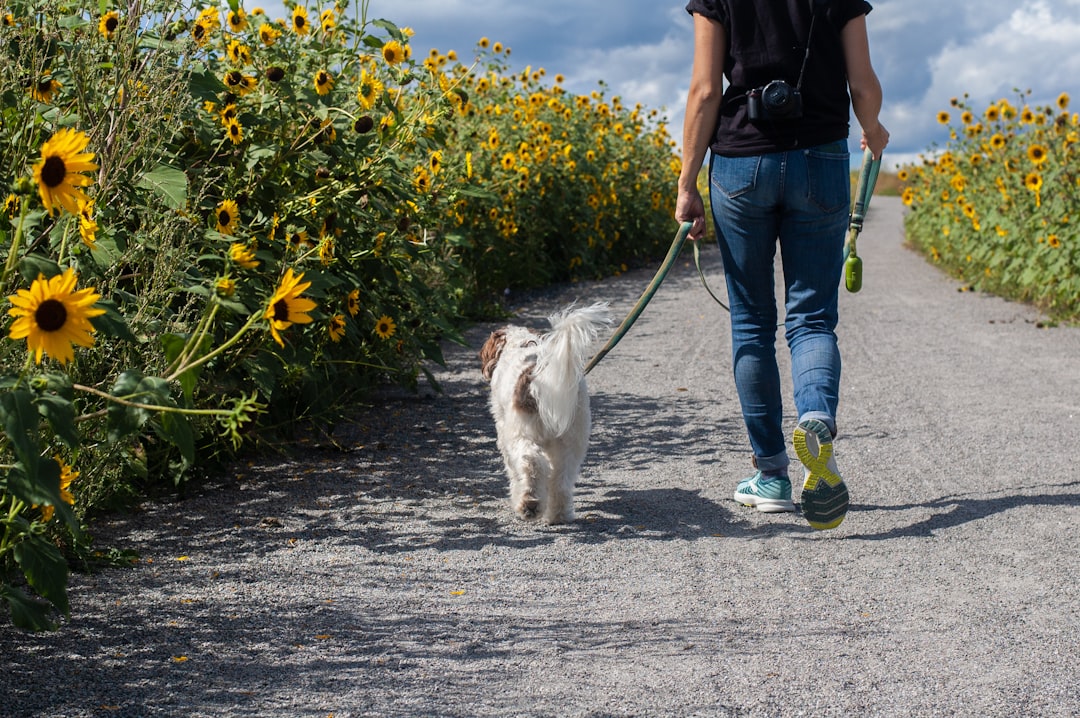
Good recall awareness and basic dog behaviour understanding is important, especially when walking near traffic or other dogs.
Dog walkers are usually required by people who spend a lot of time away from home during the day. So your schedule and lifestyle need to be flexible enough to accommodate daytime walks. This side hustle isn’t suitable for those with a normal 9–5.
Having regular dog walking slots means that you’ll likely be walking in all weathers: cold, hot, wet, windy, you name it!
Build up skills & experience
Looking after someone’s dog is a big responsibility; pet owners want to know that their dog walker is caring, capable, and in control.
Get some experience under your belt by offering to walk and look after dogs belonging to friends, family, or neighbours. Other experience examples can include volunteering for an animal charity or shelter.
Ask for references so future pet owners have evidence that you’re reliable and experienced. Create a simple portfolio or online profile with reviews, photos of walks, and details of your experience.
If you’re looking to turn dog walking into a new career, it might be worthwhile investing time and money in some courses. Getting qualified isn’t required to become a dog walker, but it can help you stand out, look trustworthy, and feel confident.
Do you need qualifications and permits?
Dog walker qualifications and permits are not legally required, but they can be useful. Taking short courses or qualifications in animal behaviour and first aid can help you stand out when you advertise yourself. Owners often filter for ‘first aid certified’ on services or apps when looking for a new dog walker.
You’ll also feel more prepared, confident, and comfortable as a beginner to dog walking. If you’re thinking of turning your side hustle into a career, it could be a worthwhile investment.
Some examples of dog walking qualifications you could complete include:
 Pet First Aid (CPD accredited)
Time frame: 3–6 hours (online or one-day workshop)
Price: £25–£50
 Canine Behaviour & Training – Level 2 or Level 3
Time frame: 10–20 hours online or 4–8 weeks part-time
Price: £150–£300
 Animal Care & Welfare – Level 2 (City & Guilds / FE College)
Time frame: 6–12 weeks part-time or evening study
Price: £250–£400
 Dog Walking & Pet Sitting Diploma (online)
Time frame: 20–40 hours (self-paced)
Price: £25–£120
 Canine Nutrition Certificate
Time frame: 8–12 hours
Price: £50–£150
Look into what courses are available at your local colleges and decide which ones are right for you.
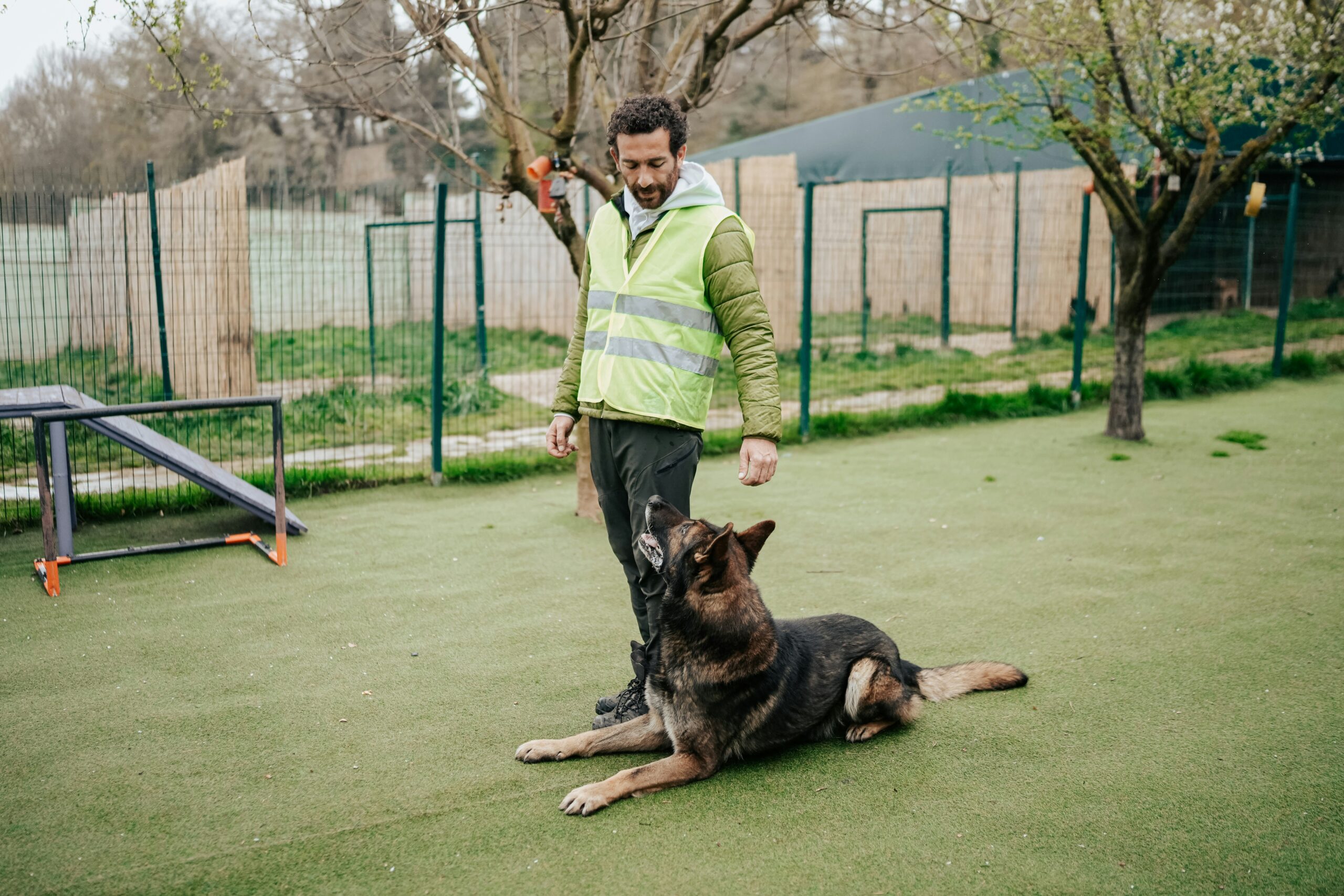
While not a legal requirement, taking out a DBS (Disclosure & Barring Service) certificate is a good idea for building trust. The cost of a basic DBS certification is £20 and can help put pet parents at ease knowing their pup is in safe hands.
Another optional cost is public liability insurance, which can protect you if the dog you’re walking causes injury to another dog or person. It’s not legally required, but it will save you money long-term if something goes wrong.
We offer all kinds of insurance, including public liability, with cashback for our members. Take a look at our new member offer below to get £15 when you sign up and spend (it doesn't have to be for insurance!).
 Get £15 cashback for joining TopCashback
We secured this exclusive offer, but our content stays unbiased.
Spend £15+ on public liabililty insurance, or any of our 5,500+ brands to get £15 back

It's really simple: our site takes just 30 seconds when you buy online.
You do the shopping, we'll track your purchase, and then you'll get cashback in your account to withdraw to your bank or as a gift card.
Here's how to get your £15 offer;
- Click: Click the green button
- Join: Create an account
- Shop: Browse brands on our site
- Buy: Click Get Cashback then make a purchase
- Enjoy: We'll add £15 to your account once we track your purchase
How does TopCashback benefit? We make money when you buy from supported brands, which allows us to offer cashback with no hidden fees.
Join a service
Online pet care services like Rover, Bark.com, and PetBacker join dog owners and dog walkers in an area, kind of like a dating app.
These dog walking services take a fairly large cut (Rover takes 15%, Petbacker takes 15%–25%, Bark.com charges pay-per-lead), but they can be a good stepping stone for becoming a professional dog walker. You’ll gain experience, connect with local pet owners, and maybe even build a client list.
You can stick to just dog walking or add in other services like drop-in visits and petsitting in the owners’ homes. Adjust your rates based on your experience and what others in the area are charging, which you can increase over time.
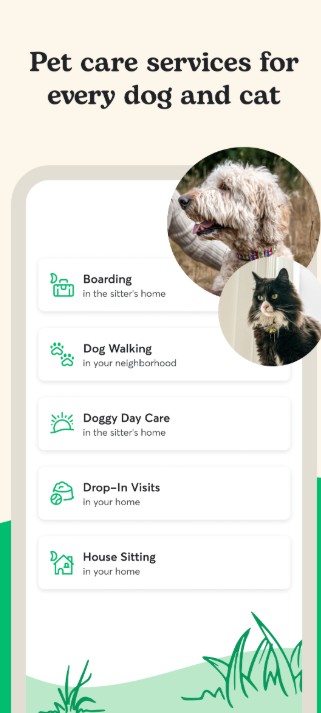
Rover mobile app

Petbacker mobile app
Rover also features the option ‘Doggy Daycare’, which involves looking after a pet in your own home. For this, you’ll need a boarding licence within England (which they don’t tell you).
Join an agency or go freelance?
Working with services like Rover and Petbacker can be great for starting out, but taking such a large cut isn’t great long-term. If you want to become a professional dog walker, or simply want to make more money in your free time, you have two options.
From here, you can decide to go it on your own and become a self-employed dog walker, or join a dog-walking agency. Both have upsides and downsides.
Joining an agency will usually mean more consistent work, as the company will have an existing client base. Agencies often provide insurance and some training as part of your employment package, whereas freelancers must arrange their own. Depending on the agency, you may be hired as an employee with benefits like holiday and sick pay, or still considered self-employed and responsible for your own taxes.
However, you won’t be as in control of your time or your pay. The agency will have a set rate (and take their own cut), and you will need to be available based on their schedule. You also won’t earn as much on group walks as you can as a freelance dog walker.
If you decide to become a self-employed dog walker, you have to gain your own clients, which can take some time. This involves advertising yourself by word of mouth, local Facebook groups, or posters in a local shop.
The good news is, because you put in all the work yourself, you can decide what to charge. Freelance dog walking rates are usually higher than what you’d make with an agency. You will also be in charge of when you work and can make your schedule work for you.
Walking multiple dogs at once can dramatically increase your hourly income, as you can charge per dog. What you’ll charge varies: walking four dogs from four separate households can pay £48–£60 per hour; walking four dogs from two separate households can pay £35–£45. Bear in mind that walking four dogs at once is not easy, though!
If you’re not an employee, you’ll need to register as self-employed. Keep diligent records of income and expenses, then file your self-assessment at the end of the tax year.
Tax considerations
Don’t forget that if your extra income earns you more than £1,000 within a tax year, you’ll need to declare it to HMRC. The tax year runs from April 6th until April 5th the following year. If you earn below £1,000 in that time, you won’t have to do anything, but even £1 over means you’ll need to tell HMRC about it.
Other things to consider
Alongside experience and getting started, you should consider these other aspects of starting a dog walking business or side hustle.
Be prepared for all weathers
Dogs need to be walked no matter the weather (barring extreme storms or heat waves, which aren’t so common in the UK), so be prepared.
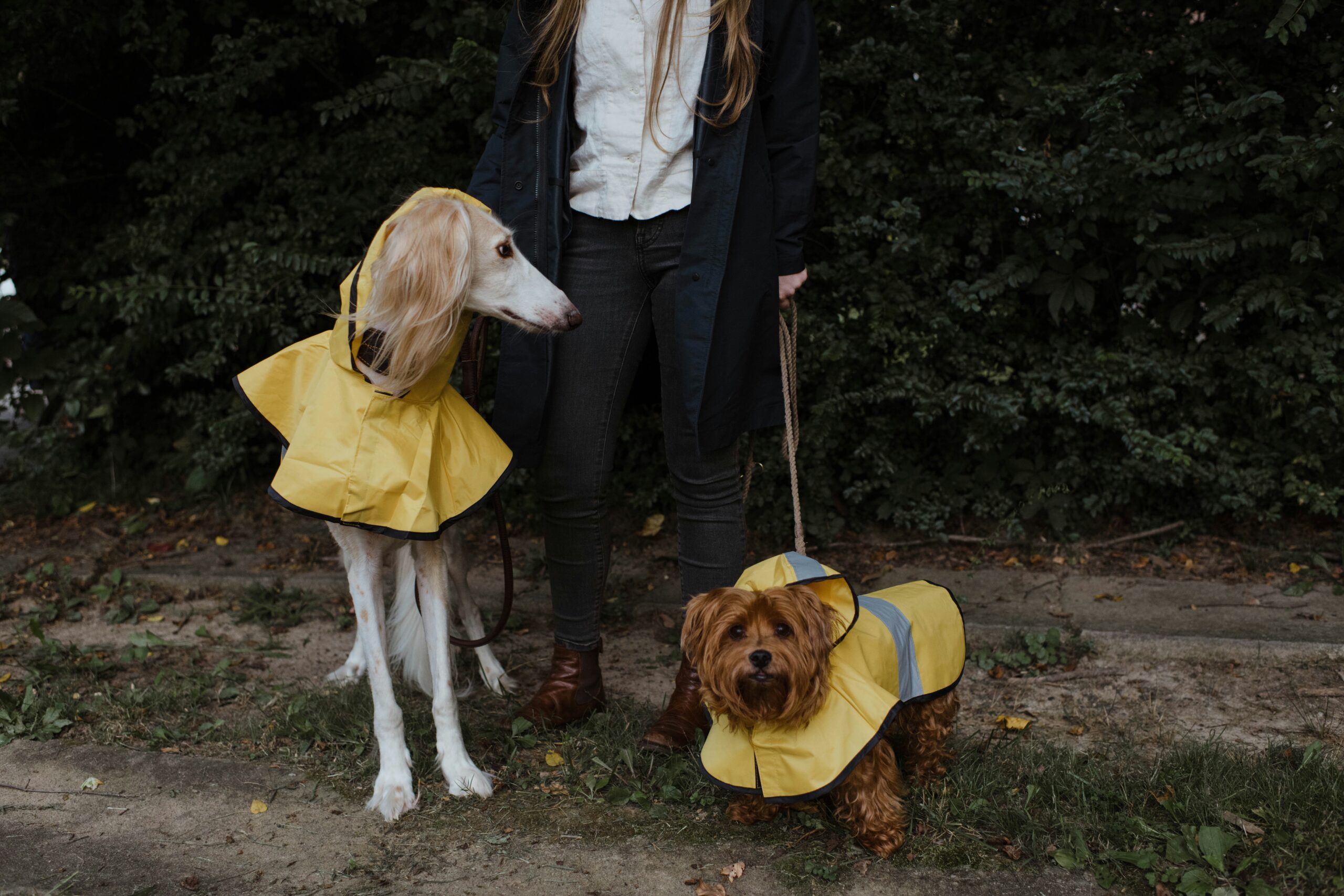
You should have adequate clothing and equipment for yourself, the dog, and your vehicle (if applicable). Make sure you have waterproofs, appropriate shoes, layers, and sunscreen for yourself based on the forecast. Ask the dog owner to provide any doggy clothing and towels that they might need.
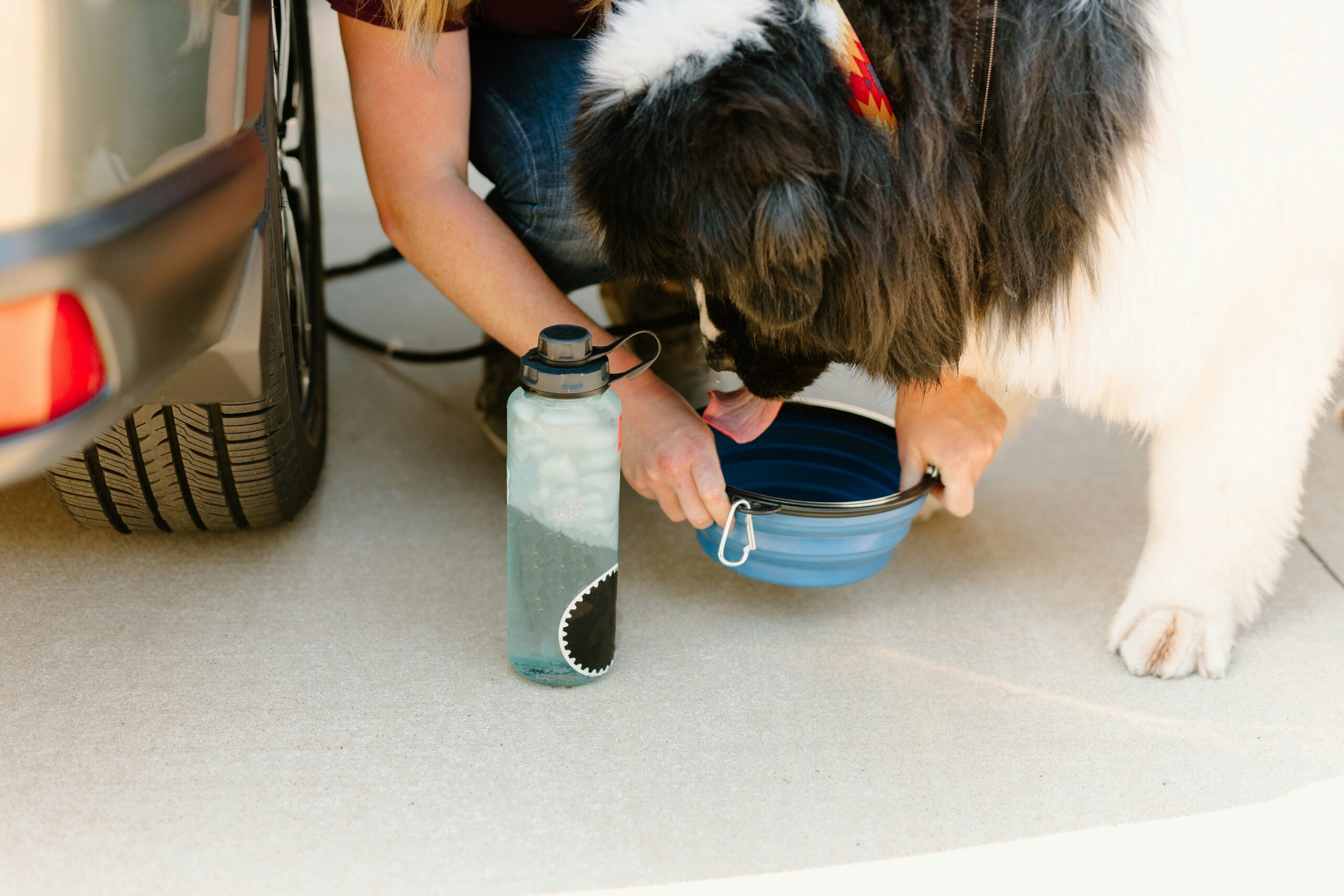
It’s a good idea to know alternative walking routes if you need to seek shade or more coverage for hot or rainy weather. Taking a travel bowl and water is essential in very warm weather.
Maximum dogs you can walk
There is no single nationwide limit for how many dogs you can walk, although most professionals and local councils suggest four as the maximum. Check your local council laws and insurance policy.
Starting out as a dog walker, you should stick to just one at a time until you become comfortable enough to manage two. Always know your limits and don’t take on more than you can handle. It’s not just about the dogs you’re walking, but other dogs you encounter as well.
Dog size and age
Consider what size dog you can control and how strong you are. If a 30kg dog suddenly pulls at the sight of a cat, can you hold it back? Can you hold back two? Can you pick them up if necessary?
On the other end of the spectrum, do you have the skills for looking after a puppy? Young dogs and puppies can be very energetic and bite or nip while they’re being trained, so they require a lot of attention.
Can you administer medicine?
Some dogs have conditions that may require tablets or injections. If you’ve got experience with this or training that involves administering medicine, you should advertise this.
What equipment do you need?
There are lots of essential and optional pieces of equipment that make dog walking a lot easier. Take a small belt bag with you containing poo bags, treats, and a whistle at least.
Dogs must legally wear an ID tag with the owner’s name and address, even if they’re microchipped — make sure the dog has this before heading out.
Other equipment you could take include a ball and thrower (if the dog can be walked off-lead), travel bowl and water for hot days or long walks, and a spare lead. For rainy days, you might need to take a waterproof doggy jacket with you (provided by the owner).
If you’re taking multiple dogs or a large dog who pulls, a dog-walking belt can be very useful. Clip the dog’s lead onto the belt for more control from your body weight, leaving your hands free for navigation or poo collection.
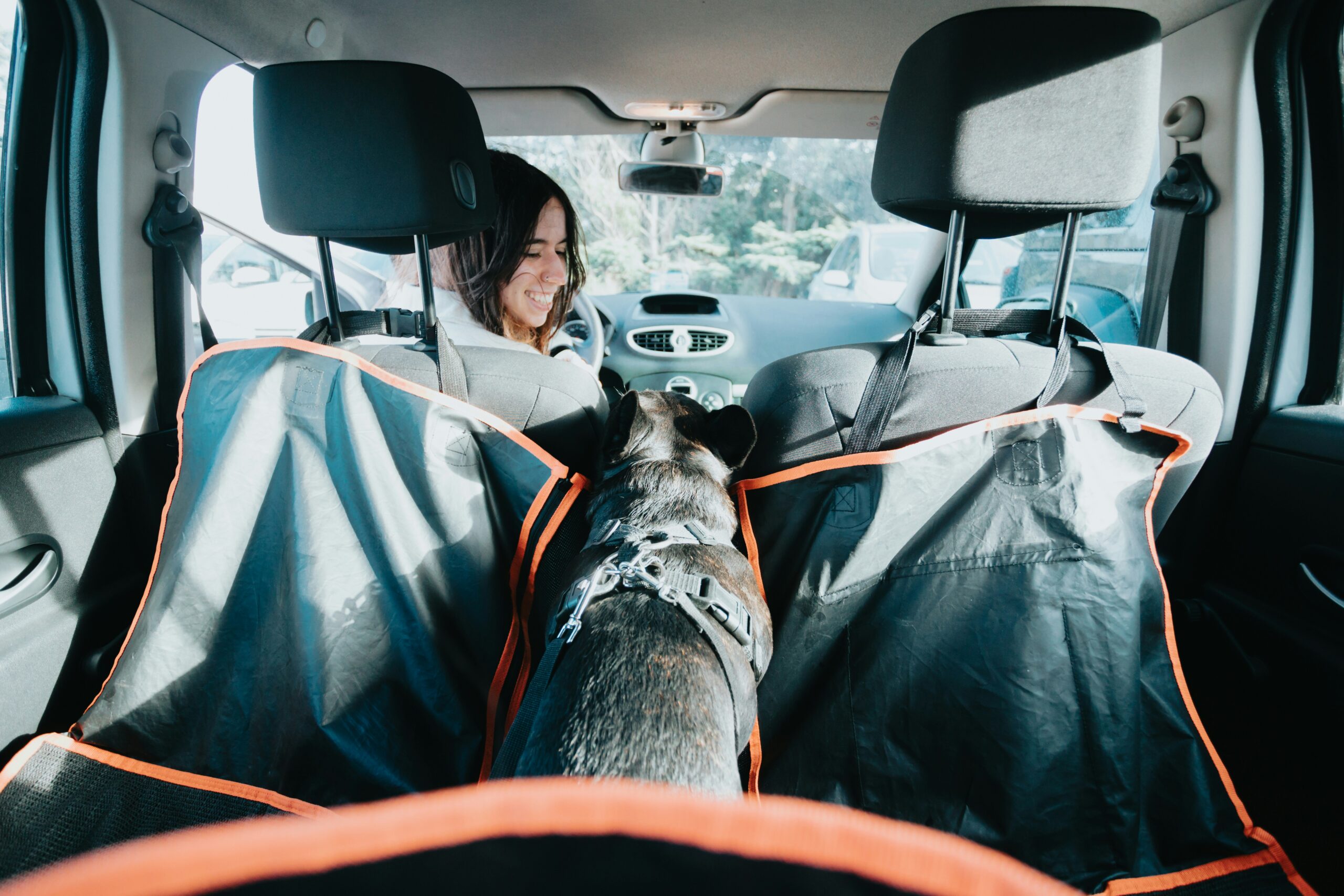
Using your car for transporting dogs means you should have plenty of old towels and blankets to keep things from getting messy. Owners might also insist on a car harness to strap the dog into the backseat safely.
Can you bring your own dog?
Check before assuming you can bring your own dog on walks during your work time. Some owners may welcome the extra socialisation, while other dogs may be too reactive to handle it.
Get public liability insurance & a DBS check
These aren’t legally required, but if you want to start a dog-walking business, they are definitely good steps to take. You’ll look more professional and reliable with both of these things, plus you’ll be covered if anything goes wrong during a walk.
Having a car is a plus
Getting to clients quickly means you can fit more walks in during the day, so you can do your job more efficiently and make more money. Depending on the dog and the walking route, it might also be useful for transporting dogs. Make sure your car has the space, a harness if required, and towels or blankets to accommodate this. (Pro tip: don’t use a brand-new, pristine car.)
Get £15 cashback
Save money at 5,500+ top-named brands
Lead the way
You can turn your passion for animal care into profit and potentially even a business. A dog-walking side hustle or business can be a great way of making money and getting exercise at the same time (think of the daily step goals you’d smash).
Dog walking is an in-demand service, with millions of pet owners across the country, so if it’s something you love, it could be a lucrative career or side hustle choice.
We hope our guide to getting started has given you plenty of paws for thought, with tips on what you need and why.
Are you interested in becoming a dog walker? Let us know what steps you’re taking to get started in the comments below.